
Our Hudson Valley Wine Travel Guide shares a brief history of the New York wine region, terroir, where to sip, where to stay and things to do beyond the vines
New York’s Hudson Valley runs along either side of the Hudson River and covers eight counties in the eastern part of the state, from New York City’s northern border up to Albany. The valley is known for stunning scenery, an abundance of outdoor activities, a vibrant culinary scene, as well as plenty of history (it was the site of many important Revolutionary War events), art (the U.S.’ first major art movement happened at the Hudson River School of Painting), music (the 1969 Woodstock Festival happened there), and culture (the tourable Home of Franklin D. Roosevelt and the Vanderbilt Mansion are within 10 minutes of each other).
As if that weren’t enough to entice travelers to explore the Hudson Valley, it’s also increasingly becoming known for its wineries and vineyards, with the greatest concentration of them being in Dutchess, Ulster, and Orange Counties.
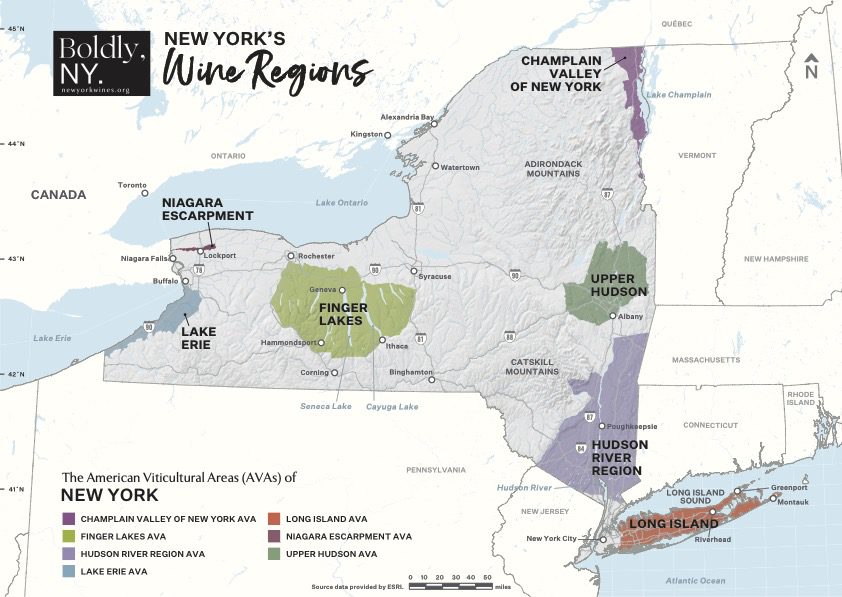
WHERE IS THE HUDSON VALLEY?
New York’s Hudson Valley runs along either side of the Hudson River and covers eight counties in the eastern part of the state, from New York City’s northern border up to Albany. The greatest concentration wineries in Hudson Valley are in Dutchess, Ulster, and Orange Counties.
BEST TIMES TO VISIT
Most wineries welcome visitors throughout the year, but the best time to visit is the fall when the Hudson Valley turns into a beautiful autumn color palette as the trees and the vines take on hues of orange, yellow, and deep red. Visitors to wineries can sit outside in the cooler weather and enjoy views of the valley. They can also hike in one of the region’s many trails, visit farms to pick apples, and so much more.
GETTING TO HUDSON VALLEY IN NEW YORK
The Hudson Valley is conveniently drivable from many parts of Pennsylvania, New Jersey, New York, Massachusetts, and Connecticut. Several of its towns are also accessible via Amtrak. For those further away, the Hudson Valley Regional Airport is located 7 miles south of the City of Poughkeepsie. Two international airports, Stewart International Airport in New Windsor and Albany International Airport in Albany, are in the region, too. Wineries, however, are not located in the cities or near the train stations or airport, so transportation, in the form of a rental car or a private car service, such as Hudson Valley Wine Tours or the services recommended by the Shawagunk Wine Trail, is required.
TOP GRAPE VARIETIES IN HUDSON VALLEY
The Hudson Valley is a cool-climate grape-growing region. For a long time, the valley produced mainly wines from native grapes and French hybrids—and French hybrids are still a part of its winemaking culture—but there is also now an abundance of Vitis vinifera grapes, or traditional French grapes, grown for wine, as viticultural techniques improved and a warming climate has made the region more hospitable to them.
The wine growing region has two AVAs, the Hudson River Region AVA situated south of Albany and the Upper Hudson AVA situated north and west of Albany.
During the height of the growing season, the average temperature in the Hudson Valley is 74°F (23°C), helping grapes—varieties chosen that thrive in a cooler climate—to ripen well. Temperatures dip during growing season nights, creating a diurnal shift that keeps acids high, preserving freshness.
White Wine Grapes
- Chardonnay
- Riesling
- Albariño
- Vidal Blanc
- Seyval Blanc
RED Wine Grapes
- Cabernet Franc
- Pinot Noir
- Malbec
- Chambourcin
- Baco Noir
- Gamay
The Hudson Valley has claimed Cabernet Franc as its signature wine, and wines from various wineries with the Hudson Valley Cabernet Franc Coalition seal ensure a minimum of 85% of the grapes used in making the wine were grown in the Hudson Valley, and the wine was aged for at least 12 months.
The history of winegrowing and making in the Hudson Valley goes back to the late 1600s, when French settlers planted European grapes in New Paltz, but the vines couldn’t withstand the cold climate. In the 1800s, winemaking began to flourish using native grapes and eventually French hybrids.
But Prohibition brought most winemaking to a halt in the Hudson Valley, and while it resumed on a small scale after Prohibition was repealed, it wasn’t until the New York State Wine Farm License program launched in 1976 that winemaking began to flourish on a larger scale. The first permit under the Wine Farm License was given to Benmarl Winery in Marlboro, and although the winery has changed hands since, it’s still an important part of the Hudson Valley wine scene. Today, there are 59 wineries and about 446 acres under vine throughout the region.
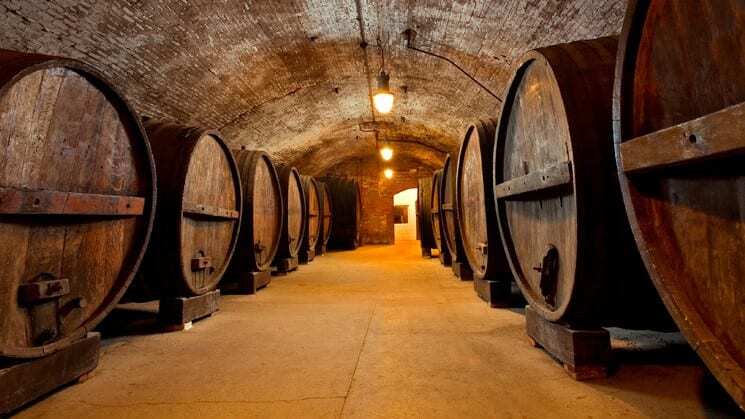
The Hudson Valley is home to the longest continuously operating winery in the United States, Brotherhood. Founded in 1839 and originally named Blooming Grove Winery, the winery survived Prohibition by producing medicinal and sacramental wine, both allowed by law.
WHERE TO SIP
The Hudson Valley is home to 59 wineries. These nine wineries in Hudson Valley will give wine lovers exploring the region a great sampling of all the valley has to offer.
Benmarl Winery, Marlboro: Named Hudson Valley Winery of the Year at the Hudson Valley Wine & Spirits Competition two years in a row, Benmarl is on a 37-acre estate with beautiful views overlooking the Hudson Valley. It also claims to have the oldest vineyard in America. Enjoy a flight or a glass of their award-winning wines (don’t skip the Cabernet Franc), and on weekends, order from the winery’s brick oven pizza oven.

Fjord Vineyards, Milton: Currently building a new tasting room that will open in April 2027, visitors to the Hudson Valley can experience Fjord’s wines at events listed on its website and Instagram page. Once the new location is open, it will be must visit to taste the winery’s well-crafted bottles, such as its award-winning Albarino and its Gamay.
Fossil Stone Farms, Greenfield Center: Situated on an early 1800s farm with horses on it, Fossil Stone focuses on just three grapes: Marquette, La Crescent, and Petite Pearl, all cold-hardy grapes that do well in the upper Hudson Valley cooler climate. Guests can bring their own food to pair with the wines. Take note: The winery is only open from June through October.
Robibero Family Vineyards, New Paltz: Robibero’s The Stray—a Bordeaux blend—won Best in Show at the 2025 Hudson Valley Wine Competition, so do not skip out on sampling it when visiting. Also, make sure to check out its events page; the winery does them up right. Even if there is no special event, guests can enjoy wood-fired pizza and live music on Saturdays and Sundays.
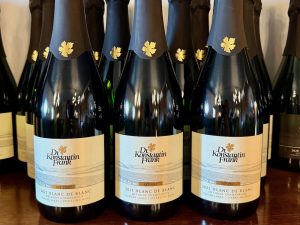
Milea Estate Vineyards, Staatsburg: Visit for a casual glass or two of award-winning wine plus farm-to-table bites, or reserve a guided tasting and estate tour, which covers just a portion of the 102-acre estate. Make sure to check out Milea’s newest endeavor, it’s Right Bank sparkling wines. The inaugural release of the Right Bank Blanc de Blanc won Best Sparkling Wine in the 2025 New York Wine Classic.
Millbrook Vineyard & Winery, Millbrook: The New York Times calls this winery “Hudson Valley’s flagship winery,” and the winery that recently celebrated its 40th anniversary certainly fits that description. The wines are well made, and Millbrook grows and crafts the valley’s only Tocai Friulano, a well-known grape most commonly grown in Italy. It’s a must-try during a tasting.
Quartz Rock Vineyard, Marlboro: Quartz Rock is both a winery and a cidery, with all grapes and fruit grown in its Nightengale Farm. Offering curated, pre-selected wine and cider tasting flights, it’s hard to decide which is more enjoyable—the estate wines and ciders or the stunning views of the surroundings. While deciding, don’t neglect to try the Chardonnay, a gold winner in the 2025 New York Wine Classic.
Rose Hill Ferments, Red Hook: Rose Hill “blurs the line between cider and wine” by producing cider, wine, and co-ferments that combine grapes with other fruit, like the Chiffonner, a co-ferment of grapes and apples. The “from orchard to glass” low-intervention beverages come from an orchard that’s been around since 1798. Open from Friday through Sunday, guests can reserve a table (although walk-ins are welcome) or a guided tasting
Whitecliff Vineyard & Winery, Gardiner and Hudson. Whitecliff’s main location is in Gardiner with its winemaking facilities and tasting room that’s won Best Hudson Valley Tasting room several times, and its satellite tasting room is in Hudson in the middle of 10-acres of vines and fruit trees. At either location of this winery that “helped put Hudson Valley on the wine map,” guests can select from a large menu of wines, and should seriously consider North River Sparkling Rosé.
Sparkling wine is on the rise in the Hudson Valley, and winemakers embrace all styles of making bubbly—traditional method (like Champagne), Charmat method (like Prosecco), Pétillant-Naturel (an ancient method), and forced carbonation.
Planning Your Hudson Valley Wine Country Vacation
HUDSON VALLEY 3 DAY WINE TASTING ITINERARY
If you have just a few days to explore Hudson Valley wineries, following the Shawangunk Wine Trail would be a great way to do it. The 11 wineries and one cidery on the trail are between the Shawangunk Mountains and the rolling hills of the Hudson River. As a bonus, some of the wineries are also distilleries, so guests can experience some of the excellent craft spirits made in the region.
This suggested itinerary doesn’t touch all the wineries on the Shawangunk Wine Trail because it’s best to do only two to three wineries a day. Not all wineries are open all day, and some wineries close seasonally, so do some research on websites before heading out.
Day 1
Start at Robibero Winery in New Paltz for a tasting, a glass, or a bottle to share. You may bring your own food, but artisan Cheese, meat, hummus, and crackers are available to purchase daily.
If it’s a three-winery day, head to the next winery below. If it’s a two-winery day, consider stopping between the two at the world’s longest pedestrian bridge, Walkway Over the Hudson, weather permitting. It’s 1.28 miles long, almost 2.5 miles round trip (but you can walk halfway across, turn around to go back, and still take in the amazing scenery). When you’re done, head to one of the following wineries.
You can schedule a private experience with the Stoutridge Distillery and Winery distiller and winemaker and go on “a customized,highly-enriching flavor journey unlike any other” or just visit the tasting room to sample the spirits and wines made on premise.
Next winery stop is Benmarl Winery for a tasting flight or a glass of some of the valley’s most awarded wines. (Bottles are to-go only.) Cheese plates are available Monday-Friday, and the full kitchen is open Saturday and Sunday with a brick oven pizza.
Day 2
Start at Whitecliff Vineyard & Winery’s tasting room in Gardiner for a guided tasting at the bar, or order a flight, a glass, or a bottle and sit at one of the indoor tables to enjoy. If the weather is beautiful, take your glasses to the outside seating and enjoy the view of the Shawagunk Mountains in the distance.
Next stop is Angry Orchard Cider House for a tour and to discover ciders that are very different than what the brand has stocked in most liquor stores’ refrigerated section—check out this bar menu! There’s also a kitchen menu with a small selection of in-house snacks and handhelds.
Finally, the Hudson Valley City Winery location is a great place to stop for dinner (and maybe a concert). The winery produces wine on premises from grapes sourced from global vineyards, including New York vineyards. City Winery also hosts the Hudson Valley Summer Sip each July with lawn games, music, and local wineries pouring their wines.
Day 3
Start the day at the oldest continuously operating winery in the country, Brotherhood. It produces sparkling wine, a diverse selection of still wines ranging from dry to sweet, dessert wines, and wine seltzers. While there, a guided tour of the underground cellars is a must.
If it’s Saturday or Sunday, Clearview Vineyard is next with its estate and New York-grown wines, small plates, music in the afternoon, and a relaxed atmosphere inside and out.
Last stop is Warwick Valley Distillery & Winery to end the three-day tour with wine, spirits, and cider all in one location. An on-site café can provide your final meal of the tour. Warwick Valley hosts several music festivals throughout the year, and in the fall, guests can go apple picking on its farm.
WHERE TO STAY IN HUDSON VALLEY
Inns, B&Bs, resorts, and traditional hotels abound in the Hudson Valley. Here are a handful to consider.
Cozy 3BR Home: This cozy vineyard retreat is on Robibero’s property with a vineyard view, three bedrooms, a full kitchen, parking on site, and much more.
Stagecoach Inn: A beautiful inn located in Goshen with onsite dining and centrally located to many wineries.
Fairfield Inn and Suites, Goshen. Family and budget-friendly hotel with a fitness center, an outdoor pool, and free parking.
Legoland Resort: If kids are on the trip where they’re joining the grown-ups at family-friendly wineries, give them a treat by staying at the hotel at Legoland (and of course, give them a day in Legoland).

The Hudson Valley Wine & Food Festival happens each September in Rhinebeck, the weekend after Labor Day. Guests can sample wines from many wineries, as well as enjoy samples from breweries, distilleries, and local food vendors. And if they pop their heads into the demonstration area on Saturday morning, they’ll spy wine professionals judging the annual Hudson Valley Wine Competition.
BEYOND THE VINES
A list of things to do in the Hudson Valley besides visiting a winery could be hundreds of items long, if not thousands of items long, but for expediency, here are a handful of suggestions.
Hike Overlook Mountain: A steep, gradual ascent of 1370 feet over 2.4 miles can be a little challenging, but it’s worth it. At 1.6 miles, take a break to explore the ruins of the Overlook Mountain House. At the top, there’s a majestic view of the Hudson River, Ashokan Reservoir, the Central Catskills, and up to five states.
Dine and Shop in Kingston: With a variety of dining and shopping options, many of them within walkable districts, exploring Kingston is an enjoyable way to spend a day. Notable restaurants include Le Carnard Enchaine, a celebrated French restaurant, and Sorry, Charlie, a bar with really well-made bar pies (pizza), well-made cocktails, and a selection of beer and wine.
Franklin D. Roosevelt Home and the Vanderbilt Mansion: These tourable homes are both part of the National Park System, and they’re within a 10-minute drive of each other.
Storm King Art Center: A 500-acre outdoor museum with large-scale sculptures and site-specific commissions
Kelder’s Farm: A 200-year-old family farm with seasonal festivals all year and 35+ attractions that kids will love.
Biplane Rides: Take to the sky in a biplane that can carry up to four passengers at a time. 15 or 30-minute rides are available, and there’s a 2-passenger minimum.
Bethel Woods Center for the Arts: This nonprofit cultural center is located at the historic site of the 1969 Woodstock festival. The center has a museum, events, camping, and holds concerts throughout the season.
Sip in More of New York


Robin Shreeves is a drinks journalist and lifestyle features writer. Her wine writing has appeared in dozens of print and online publications including Wine Enthusiast, VinePair, Courier Post, Spirited magazine, Edible Philly, Edible Jersey, USA Today, and Drink Philly. A champion of wines from the mid-Atlantic region, she co-hosts an East Coast Wine chat on the Clubhouse app Sunday nights at 7pm. Her writer’s website Wine & Wonder has a weekly roundup of East Coast Wine News posted each Monday.