
Napoleon III + Bordeaux Wine = A 170+ year-old wine classification still used today (that's not based on quality)
A version of this article appeared in the Carpe Wine column in the Vail Daily.
Wine laws can be confusing. In the US, they’re relatively straightforward—we have the American Viticultural Area (AVA) classification, federally designated wine regions defined and approved by the Alcohol and Tobacco Tax and Trade Bureau (TTB). Our system requires at least 85 percent of a wine to come from its designated AVA. Individual states might add extra requirements (Oregon, for example, has stricter percentage mandates), but compared to France’s labyrinth of wine laws and classifications, American regulations are a breeze. It’s every wine student’s favorite chapter—the easiest one to study. Trust me on this; I’m currently neck-deep in prep for my next wine certification.
I’m not going to attempt summarizing French wine law here. It would be impossible to do it justice, and frankly, it wouldn’t be very interesting. Instead, I want to share a wine history story about Napoleon III and how he created Bordeaux’s most famous wine classification system—one that, surprisingly, had little to do with actual quality but still impacts the wine industry to this day.
What is the 1855 Classification?
The year was 1855, and Paris was preparing to host the Universal Exposition—the World’s Fair of its day. Emperor Napoleon III wanted France’s greatest treasure showcased on the global stage: wine. He tasked the Chamber of Commerce of Bordeaux, more like an organization of wine merchants at the time, with creating a classification of the region’s finest.
Within just a few weeks, they delivered. The list featured red wine châteaux from the Left Bank’s Médoc appellation, plus châteaux in Sauternes and Barsac in Bordeaux’s southern reaches that were producing white wines.
Here’s the surprising part: the rankings were based entirely on market price. That’s it. No tasting panels, no blind evaluations, no sommelier committees debating flavor profiles. The Chamber simply assumed that price equaled quality—the more expensive the wine, the better it must be.
The 1855 Classification divides the wine into five quality levels, known as “crus”. First growth wines are considered the best and most prestigious while fifth growth are thought to be more modest.
The first growths read like a who’s who of wine royalty: Château Lafite Rothschild, Château Margaux, Château Latour, Château Haut-Brion and Château Mouton Rothschild. These aren’t just wines—they’re now legends in liquid form, the bottles that collectors obsess over and enthusiasts dream about sipping.
- First Growth (Premier Cru)– The absolute highest tier, representing wines considered the finest and most prestigious. These commanded the highest prices.
- Second Growth (Deuxième Cru)– Excellent quality wines, just below the top tier in terms of prestige and price.
- Third Growth (Troisième Cru)– High-quality wines, occupying the middle-upper range of the classification.
- Fourth Growth (Quatrième Cru)– Very good wines in the middle tier of the hierarchy.
- Fifth Growth (Cinquième Cru), which completed the classification
Out of all the estates in Bordeaux, only 58 made the cut. “Peeved” doesn’t even begin to cover the reaction. The snub was glaring: only châteaux from the Médoc, Sauternes and Barsac were included. What about the renowned estates in Graves and Saint-Émilion?
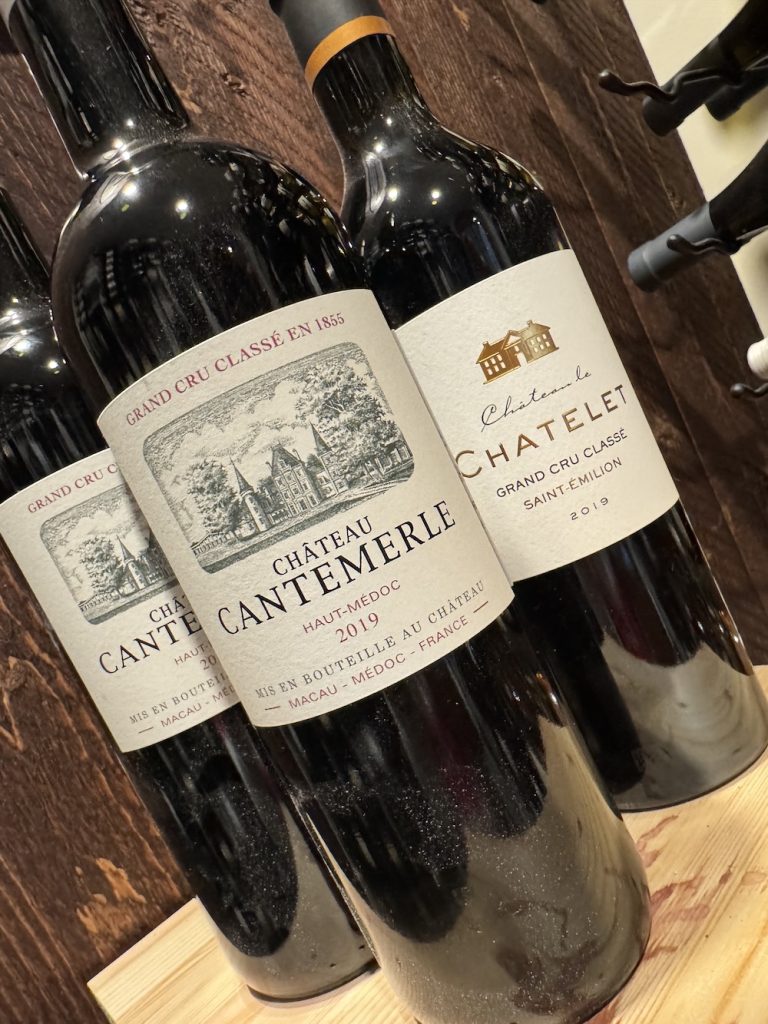
The excluded châteaux weren’t about to take this lying down. They created their own classification systems. The Médoc developed the Cru Bourgeois system with three ascending tiers: Cru Bourgeois, Cru Bourgeois Supérieur, and Cru Bourgeois Exceptionnel. Unlike the rigid 1855 Classification, this one is reviewed every five years to keep estates on their toes. Graves and Saint-Émilion followed suit with their own individual classifications, proving that if you can’t join the club, you might as well start your own.
Again, thank you Napoleon III—as if understanding French wine wasn't complicated enough.
Since the 1855 Classification there have been a lot of changes to the châteaux on the list – names, owners, vineyards, quality of the wine – but there has only been ONE change to the list in the 171 years it has been in existence. In 1973 Château Mouton Rothschild moved from 2nd Growth to 1st Growth.
The controversy surrounding the original 1855 list remains to this day. I heard all about it the last time I was in Bordeaux—from multiple wineries and tour guides, naturally the ones that didn’t make the cut. So, are the 1855 Classification wines actually better?
I’ve sipped a few from the 1855 Classification. Château CANTEMERLE is one of my favorites, and Château Lafite Rothschild really does live up to the hype. But so is Château Beaumont, a Cru Bourgeois Supérieur, and several Saint-Émilion estates I’ve tried. Here’s the thing: wines in the 1855 Classification can run anywhere from $50 to thousands of dollars, while wines in the Cru Bourgeois system and Saint-Émilion tend to be far more wallet-friendly.
The truth? The 1855 Classification opened doors for incredible wines, but it also left plenty of excellence on the outside looking in. Nearly 170 years later, that list still carries prestige—and still sparks debate. Which is perhaps the most French thing about it. Whether you’re popping a first growth or a Cru Bourgeois, you’re tasting a piece of history. The real question isn’t which classification is “better,” but rather: what’s in your glass tonight?

Elaine Schoch is an award-winning travel writer, wine judge, American Wine Specialist and certified by the Wine & Spirit Education Trust (WSET II). At Carpe Travel she shares wine travel destination guides for ALL WINE LOVERS – from novices to experienced pros – to help them plan their wine adventures, arming them with insider tips, must-visit spots, and things to see and do beyond the vines.