



Getting to know
Muscat | Moscato

Muscat ​(muh·skat), called Moscato in Italy and Moscatel in Spain and Portugal is a storied grape found all over the world. 

While this highly aromatic white grape thrives in warm Mediterranean climates, some of its most notable expressions were born in cooler climates, like Northern Italy’s Piedmont region, France’s Alsace, and parts of Germany. Today top expressions come from Italy, Spain, and France.

What to know about muscat | Moscato

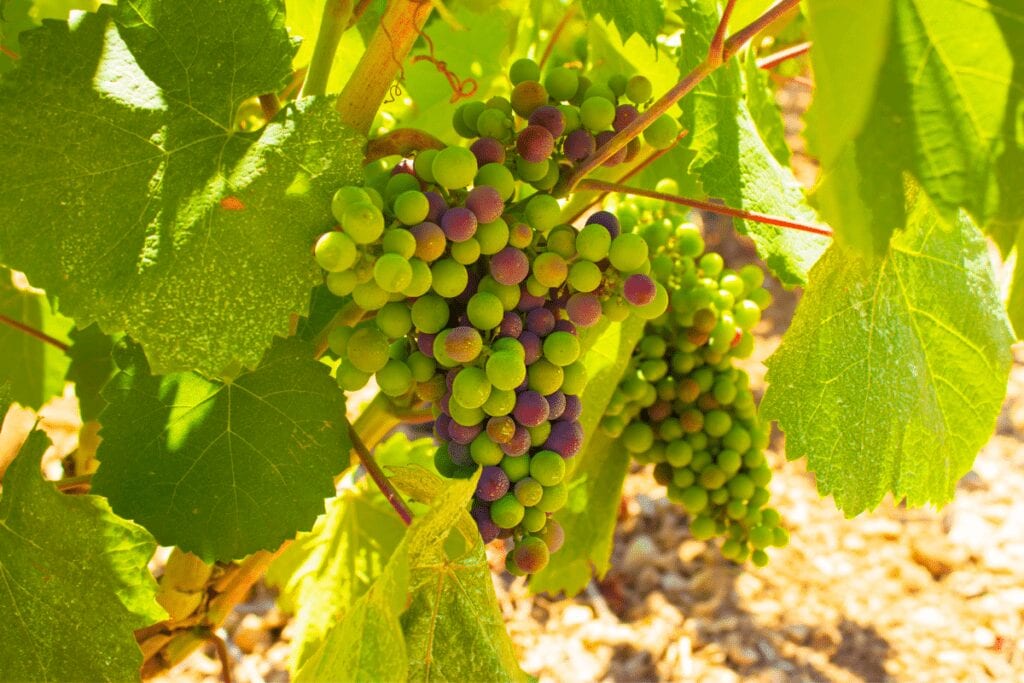
Photo provided by Canva.

Despite its many styles and resting places, the Muscat grape’s claim to fame may well be that it consistently and definitively tastes and smells of grape in all its forms – dry to sweet, sparkling to dessert wine.  

While styles and variations are plenty, consistent flavors include tropical fruits like tangerine, mango, lychee, jasmine, beach rose, orange blossom, zesty orange, and sweeter spices. 

Given the chance, try a sparkling Moscato from Piedmont, Italy. 

Fun Fact

Believed to be indigenous to the Middle East, Muscat | Moscato is possibly the oldest known grape varietal dating back to ancient Greece.

where to find the muscat | Moscato grape

Muscat wines show up in various styles the world over, with the most popular being sweet fortified, sparkling frizzante, and dry versions. 

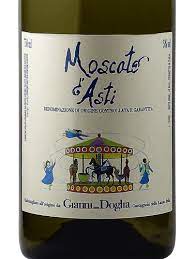
ITALY: MOSCATO D’ASTI WINE

Probably the most well known frizzante-style of muscat wine hails from Northern Italy’s Piedmont region. Moscato d’Asti is a low alcohol frizzante wine showing fresh, elegant fruit. Top expressions are not overly sweet, though lower priced versions tend that direction. The wines themselves are a favorite for aperitif and dessert.

FRANCE: MUSCAT WINES

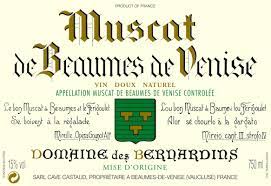
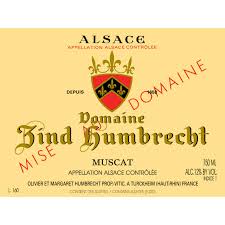
Muscat is grown in different parts of France with top expressions coming from the Rhone Valley. Muscat de Beaumes de Venise, one of the world’s most elegant sweet fortified wines. In Alsace, Muscat is one of the four nobles grapes. Expressions include dry and sweet late harvest wines showing exotic flavors.

How to enjoy muscat | Moscato

Muscat | Moscato Wine Pairings:

A sweet, fruity wine, Muscat works well with spicy, sour, salty, and bitter foods as well as desserts. 

Be mindful of the sweetness level of your Muscat wine. It handles spice well, so Asian and lighter Indian dishes work great. Also, enjoy with salads and grilled seafood.

Moscato d’Asti makes for a great brunch wine, pairing beautifully with salty, spicy foods – and, don’t forget that it is generally about 5.5% alcohol by volume, even better for your your morning events. 

Practical Tips For Drinking Muscat | Moscato:

Glassware: Traditional white wine glass. 

Shelf life: Drink frizzante and still wines younger. Fortified dessert wines can be held 10+ years.

When is the Right Mood for Muscat | Moscato?

Muscat | Moscato RECOMMENDATIONS